The Geo Spirit Commune
An initiative by Nature and Spiritual Conscious Earth Souls
Preamble:
We, the Earth Souls of The Geo Spirit Commune (TGSC), gather on this sacred land to establish a commune rooted in nature and spirituality. Guided by the principles of sustainable living and Earth leadership, we seek to foster harmony with the environment, promote ecological balance, and cultivate a deep connection with the Earth. With this constitution, we lay the foundation for a community that shares common interests, resources, and values, dedicated to creating a sustainable future for all.
Article I: The Geo Spirit Commune (TGSC)
Section 1: Establishment and Purpose
1.1 The Geo Spirit Commune (TGSC) is hereby established as a commune by the members who own XX acre space within its boundaries.
1.2 The members of The Geo Spirit Commune (TGSC) shall be known as "Earth Souls" and shall uphold the principles and responsibilities outlined in this constitution.
1.3 The TGSC shall consist of a common Centre and private habitats owned by the Earth Souls. The commune's common property and resources shall be managed collectively.
Section 2: Boundaries and Resources
2.1 The TGSC shall have clearly defined boundaries to demarcate its territory and ensure a sense of community and cohesion.
2.2 The commune shall have access to a common water source(s) that serves the needs of all Earth Souls.
2.3 Roads within the TGSC shall be constructed minimally, only when necessary, and shall not be black topped or cemented to minimise environmental impact.
Section 3: Environmental Stewardship
3.1 The TGSC shall prioritise living in harmony with nature, adopting a minimalistic approach to reduce our ecological footprint.
3.2 The commune shall promote and respect the environment, ecology, and biodiversity within its territory.
3.3 Tree planting shall be encouraged, aiming for a minimum of one tree per four square meters. Native plants shall be conserved, and any planting or cutting of trees requires the approval of the commune.
3.4 The TGSC shall serve as a haven for diverse local species, fostering a high concentration of biodiversity and preserving the genetic pool of plants, animals, and microbes.
3.5 The maintenance of plants, including cultivation of medicinal plants, vegetables, fruits, and other flora, shall be a communal responsibility.
Section 4: Sustainable Practices
4.1 Independent solar power sources shall be established to meet the lighting and domestic requirements of the commune, while ensuring regular power for bore-wells.
4.2 Construction of habitations within the TGSC shall be approved by the commune members, adhering to eco-friendly materials and green building practices.
4.3 A common kitchen shall be established within the commune, serving healthy and sustainable food to all Earth Souls.
4.4 A common library and access to the internet shall be provided to foster knowledge sharing and educational opportunities for all members.
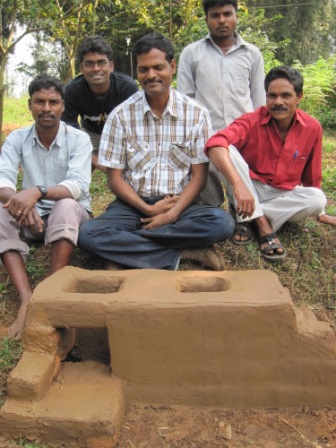
4.5 The TGSC shall promote and implement eco-friendly technologies and practices, including but not limited to good stoves, biogas, composting, biochar, non-pesticide management, organic farming, permaculture, water harvesting, and waste management.
Section 5: Land Ownership and Transfers
5.1 No more than 30% of the land owned by an Earth Soul shall be used for construction purposes.
5.2 The transfer or sale of any piece of land within the TGSC requires the approval of at least 20% of the commune members.
5.3 The rules and regulations outlined in this constitution shall apply to all members, as well as their heirs, affiliate members, visitors, and guests.
5.4 The TGSC shall be registered as a non-profit society to acquire and manage the land and communal resources.
Article II: Membership
Section 1: Qualifications and Categories
1.1 Membership in The Geo Spirit Commune (TGSC) is open to individuals who have made significant contributions to spirituality, society, health, environment, development, social service, education, or other relevant appropriate areas.
1.2 There shall be two categories of membership within the commune:
a) Core Members: Core Members are those who own a piece of land within the TGSC.
b) Earth Souls: All members of the TGSC, including Core Members and those without land ownership, shall be considered Earth Souls and have equal responsibilities and duties within the commune.
Section 2: Decision-Making Process
2.1 All decisions within the TGSC shall be made based on the approval of at least 30% of the commune members, including both Core Members and Earth Souls.
Section 3: Commune Society
3.1 The TGSC shall establish and maintain a non-profit society or trust or non for profit company that serves as the legal entity for acquiring and managing the land and communal resources.
3.2 The society shall operate in accordance with the laws and regulations of the governing jurisdiction and shall ensure transparency and accountability in its activities.
3.3 The society shall be responsible for facilitating membership applications, maintaining records, organising meetings, and overseeing the communal operations of the TGSC.
3.4 The society shall elect a governing body, such as a committee or board of directors, to carry out its functions and make decisions on behalf of the commune.
3.5 Any amendments or changes to the constitution shall be proposed and ratified through a democratic process involving the commune members, with due consideration given to the principles and values of the TGSC.
Article III: Rights and Responsibilities
Section 1: Rights
1.1 All core members of the TGSC, shall have the following rights:
a) The right to participate in communal decision-making processes.
b) The right to access and use communal resources in accordance with the principles and guidelines established by the commune.
c) The right to a safe, healthy, and sustainable living environment.
d) The right to freedom of expression, spirituality, and cultural practices within the bounds of communal harmony and respect for others.
e) The right to equal treatment and non-discrimination based on gender, race, ethnicity, religion, or any other protected characteristic.
Section 2: Responsibilities
2.1 All members of the TGSC shall have the following responsibilities:
a) To respect and abide by the principles, values, and guidelines established by the commune.
b) To actively contribute to the well-being and development of the commune, including participating in communal activities, maintaining the communal property, and promoting sustainable practices.
c) To promote harmony, understanding, and cooperation among fellow commune members, fostering a sense of community and shared responsibility.
d) To uphold and protect the natural environment, biodiversity, and ecological balance within the TGSC.
e) To contribute their skills, knowledge, and resources for the collective benefit of the commune and its members.
Section 3: Dispute Resolution
3.1 Any disputes arising within the TGSC shall be resolved through a process of mediation and consensus-building among the parties involved.
3.2 In the event that mediation fails to resolve the dispute, the commune members shall seek alternative dispute resolution methods, such as arbitration or other agreed-upon processes, to reach a fair and just resolution.
Conclusion:
This constitution of The Geo Spirit Commune (TGSC) serves as the guiding document for the commune, outlining its principles, values, rights, responsibilities, and organisational structure. It aims to foster a sustainable, nature-conscious, and spiritually connected community, dedicated to Earth leadership and the pursuit of a harmonious coexistence with the environment.


.jpg)


 According to a 2007 World Health Organisation report, indoor air pollution levels in some kitchens in rural India were some 20 times higher than permissible levels, with the situation being bad even in the national capital. Globally, more than 1.6 million people die prematurely due to indoor air pollution caused by burning of biomass – wood, dung, roots, straw, apart from coal in households.
 It probably influenced him to work at Patencheru, one of Asia’s most polluted industrial areas. His report on the Patencheru lake had helped environmentalists in securing landmark judgments in Andhra Pradesh.